The sports betting landscape experienced a massive revolution during the summer of 2026. Specifically, the conclusion of the 2026 FIFA World Cup highlighted a major shift in how fans place their wagers. Consequently, blockchain transparency became the standard rather than the exception. Bettors around the globe sought platforms that could guarantee fairness. Therefore, decentralized networks stepped into the spotlight to replace traditional sportsbooks.
For many years, users had to trust centralized entities blindly. However, that era is rapidly coming to an end. Furthermore, the immense scale of the recent global tournament provided the perfect testing ground for new technologies. As a result, operators realized that they must adapt or face obsolescence. In addition, punters demanded visibility into how their money was handled. This demand effectively paved the way for unprecedented blockchain transparency.
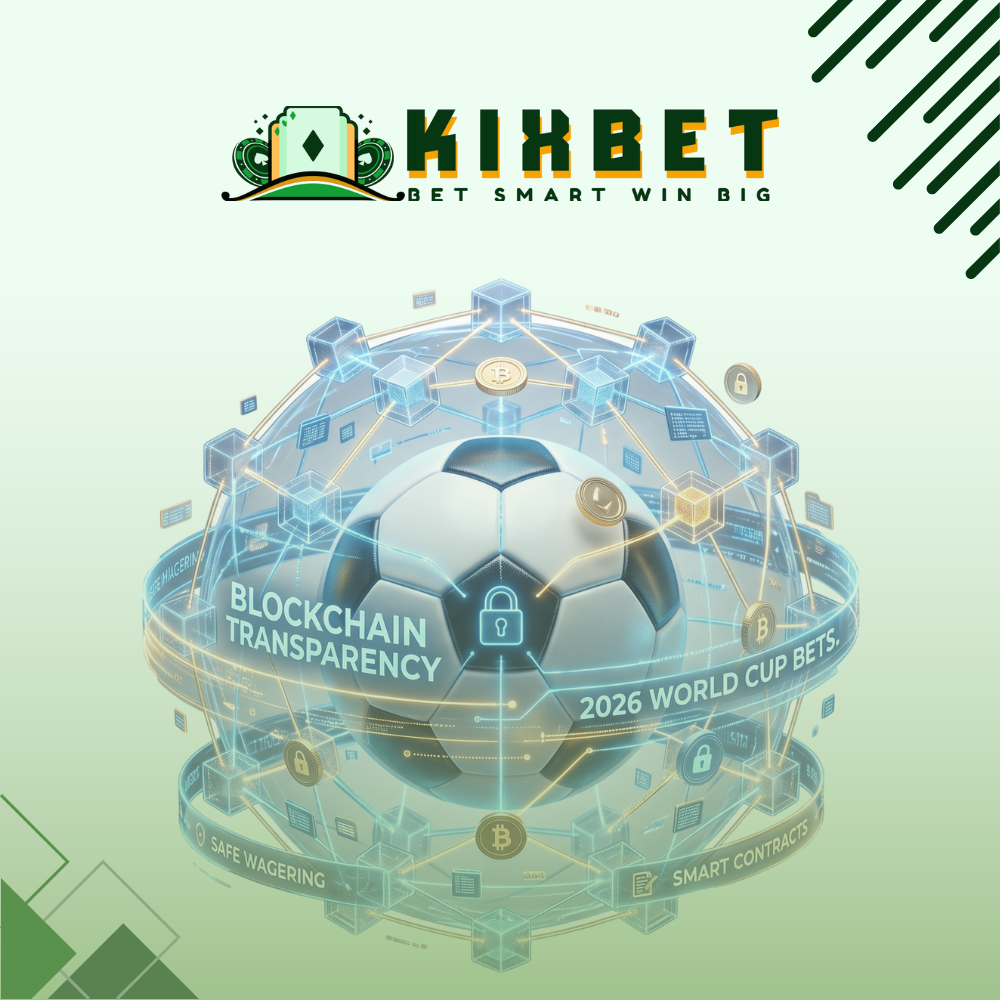
Blockchain Transparency in 2026 World Cup Bets
Moreover, the integration of digital ledgers proved that the technology could handle extreme volumes. For instance, millions of transactions occurred simultaneously during the final match. Consequently, the networks did not falter under pressure. Instead, they delivered fast, secure, and verifiable results. Therefore, blockchain transparency is no longer just a buzzword. It is a fundamental requirement for the modern bettor.
Understanding Blockchain Transparency in Sports Betting
To fully grasp this evolution, we must first define blockchain transparency in the context of gambling. Essentially, it refers to the public visibility of all transactions on a decentralized network. Therefore, anyone can verify the flow of funds from a wallet to a smart contract. Furthermore, the outcomes are recorded immutably. As a result, no single authority can alter or delete the betting records.
In addition, this level of openness eliminates the need for blind trust. Previously, players had to rely on the internal audits of traditional casinos. Consequently, disputes over payouts were common and often frustrating. However, blockchain transparency completely changes this dynamic. Every single wager placed during the 2026 World Cup was permanently etched into the public ledger. Therefore, any user could audit the platform in real time.
Moreover, this technological shift protects both the operator and the consumer. On one hand, players know their funds are secure. On the other hand, platforms can easily prove they are operating fairly. Consequently, regulatory bodies are starting to take notice. They realize that blockchain transparency offers better consumer protection than legacy frameworks. As a result, the entire industry is moving toward a more decentralized model.
The Shift from Traditional to Decentralized Platforms
The transition from traditional sportsbooks to decentralized platforms accelerated dramatically in 2026. Initially, many users were hesitant to adopt cryptocurrency betting. However, the benefits quickly outweighed the learning curve. Furthermore, educational resources became widely available. As a result, mainstream bettors migrated to Web3 platforms in droves.
Consequently, legacy operators saw a noticeable dip in user engagement. In contrast, crypto-native platforms experienced record-breaking signups. Therefore, it became clear that blockchain transparency was a massive competitive advantage. Ultimately, players choose platforms that treat them fairly and process their winnings instantly.
How the 2026 FIFA World Cup Changed the Game
The 2026 FIFA World Cup was a catalyst for technological adoption. First of all, the event attracted billions of viewers worldwide. Consequently, the betting volume reached historical highs. Furthermore, many of these wagers were placed on decentralized prediction markets rather than standard sportsbooks. Therefore, the tournament served as a global showcase for blockchain transparency.
In addition, the extended format of the tournament provided endless betting opportunities. With 104 matches played across North America, the action was continuous. As a result, smart contracts were tested under sustained, heavy loads. Consequently, the technology proved its resilience. Moreover, the lack of downtime reinforced the reliability of on-chain operations.
Furthermore, the official organizers closely monitored the betting markets. Interestingly, they reported zero suspicious betting activities linked to the blockchain platforms. Therefore, blockchain transparency effectively prevented match-fixing and fraud. Consequently, sports integrity organizations praised the technology. As a result, the 2026 World Cup will always be remembered as a turning point for digital wagering.
Record-Breaking Volumes on Smart Contracts
During the tournament, the sheer volume of capital flowing through smart contracts was staggering. Specifically, prediction markets handled billions of dollars in volume. Therefore, the liquidity pools were deep and highly active. Furthermore, this immense liquidity ensured that users could enter and exit positions without massive price slippage.
Consequently, the robust infrastructure supported seamless micro-betting. Users placed wagers on granular events, such as corner kicks and yellow cards. In addition, the instantaneous nature of blockchain allowed these bets to settle within seconds. Therefore, the user experience was incredibly smooth. As a result, blockchain transparency proved it could scale to meet global demand.
Why Blockchain Transparency Matters for Bettors
You might wonder why everyday users care so much about this technology. Primarily, blockchain transparency directly impacts their bottom line. Furthermore, it ensures that they are not playing against a rigged system. Consequently, the sense of security encourages higher participation. Therefore, understanding the mechanics of a fair bet is crucial.
In addition, users value their privacy. Surprisingly, blockchain transparency does not compromise personal identity. While the transactions are public, the identities behind the wallet addresses remain pseudonymous. As a result, players can verify the fairness of a game without exposing their personal data. Consequently, VPN-friendly casinos and no-KYC platforms thrived during the summer of 2026.
Moreover, the community aspect cannot be ignored. Bettors frequently share transaction hashes on social media to prove their wins. Therefore, the public ledger acts as a verifiable bragging right. Furthermore, this social proof attracts new users to the ecosystem. As a result, blockchain transparency serves as a powerful organic marketing tool for operators.
Eliminating Suspicious Activities and Fraud
One of the greatest achievements of the recent tournament was the reduction of fraud. Historically, major sporting events attract illicit betting syndicates. However, blockchain transparency makes money laundering exceptionally difficult. Every transaction is traceable. Consequently, malicious actors avoid these decentralized platforms. Therefore, the ecosystem remains clean and secure for legitimate users.
Furthermore, operators use automated tools to monitor on-chain behavior. If a wallet exhibits suspicious patterns, the community can immediately flag it. As a result, the self-policing nature of decentralized networks is highly effective. Consequently, sports integrity is preserved. Therefore, blockchain transparency is a vital tool against corruption.
Instant Payouts and Fair Play Verification
Another major advantage is the speed of financial settlements. In the past, players waited days to withdraw their winnings. However, smart contracts execute payouts the moment a match concludes. Consequently, bettors receive their funds instantly. Furthermore, this speed builds immense trust between the platform and the user.
In addition, players can independently verify the odds and the outcomes. By utilizing provably fair algorithms, platforms allow users to check the math behind every wager. Therefore, the operator cannot manipulate the results. As a result, blockchain transparency guarantees an even playing field for everyone involved.
Leading Platforms Showcasing Blockchain Transparency
Several platforms led the charge during the 2026 World Cup. These innovators demonstrated how effectively blockchain transparency can be implemented. Furthermore, they captured significant market share from traditional competitors. Consequently, analyzing their success provides valuable insights into the future of the industry.
For example, prediction markets became the preferred choice for many sophisticated bettors. Unlike traditional sportsbooks, these platforms allow users to trade shares in specific outcomes. Therefore, the odds are determined purely by market demand. In addition, this peer-to-peer model eliminates the house edge. As a result, users generally receive much better value for their wagers.
Moreover, decentralized exchanges integrated sports betting features directly into their interfaces. Users could swap tokens and place wagers without ever leaving the decentralized application. Consequently, the entire experience was frictionless. Therefore, the consolidation of decentralized finance and sports betting was a major trend in 2026.
Polymarket and the Rise of Prediction Markets
Polymarket stood out as a dominant force during the tournament. Specifically, the platform handled an unprecedented volume of wagers on the World Cup final. Furthermore, the interface provided real-time data driven by blockchain transparency. Consequently, users could watch the odds shift as on-chain sentiment changed. Therefore, Polymarket effectively cannibalized a significant portion of traditional sports betting traffic.
In addition, the platform operated entirely on a Layer-2 network, ensuring low fees. Consequently, users could place small bets without worrying about high transaction costs. As a result, the barrier to entry was practically eliminated. Therefore, prediction markets are poised to become the dominant format for future global events.
Decentralized Exchanges and Stablecoins
To avoid the volatility of native cryptocurrencies, most bettors opted to use stablecoins. Specifically, USDC and USDT were the primary currencies of the tournament. Furthermore, decentralized exchanges facilitated seamless conversions between different tokens. Consequently, players could manage their bankrolls with complete stability.
In addition, the use of stablecoins simplified the auditing process. Because the value remains pegged to fiat currency, verifying the total volume is straightforward. Therefore, blockchain transparency is highly compatible with stablecoin usage. As a result, platforms that optimized for these assets saw the highest retention rates post-tournament.
The Role of Smart Contracts in Ensuring Fairness
Smart contracts are the engine driving blockchain transparency. Essentially, they are self-executing lines of code stored on the network. Therefore, they operate exactly as programmed without any human intervention. Furthermore, their open-source nature means anyone can inspect the code for vulnerabilities. Consequently, they offer an unparalleled level of security.
In addition, smart contracts handle everything from holding escrow to distributing payouts. When a bet is placed, the funds are locked in the contract. Once the oracle reports the final score of the match, the contract automatically sends the winnings to the correct wallet. Therefore, there is no centralized cashier to delay the process. As a result, bettors enjoy a completely frictionless experience.
Moreover, these contracts utilize decentralized oracles to fetch real-world data. These oracles pull match results from multiple verified sources. Consequently, the data is accurate and tamper-proof. Therefore, the combination of smart contracts and decentralized oracles forms the backbone of modern sports betting.
Automated Executions Without Intermediaries
The removal of intermediaries is a massive paradigm shift. Previously, third-party payment processors and risk managers controlled the flow of money. However, smart contracts eliminate these middlemen entirely. Consequently, platforms operate with significantly lower overhead costs. Therefore, they can afford to offer better odds and higher payouts to their users.
Furthermore, the absence of human interference prevents arbitrary account suspensions. In traditional systems, winning players often find their accounts restricted. However, smart contracts do not discriminate. As long as the transaction is valid, the payout is processed. As a result, blockchain transparency protects the most successful bettors from unfair treatment.
Overcoming Challenges in Crypto Betting Post-World Cup
Despite the immense success, the industry faces challenges in the aftermath of the tournament. The primary concern is user retention. Naturally, betting volumes decline when major global events conclude. Therefore, platforms must find ways to keep their users engaged. Consequently, operators are rapidly developing new features and integrating casino games.
In addition, the influx of capital has attracted intense regulatory scrutiny. Governments around the world are closely monitoring decentralized platforms. Therefore, operators must navigate complex legal landscapes while maintaining blockchain transparency. Furthermore, they need to balance compliance with the privacy demands of their user base. As a result, the next few months will be crucial for the industry’s sustained growth.
Moreover, the technical infrastructure must continue to scale. While the networks performed admirably during the World Cup, future events will be even larger. Consequently, developers are working tirelessly to optimize Layer-2 solutions and increase transaction throughput. Therefore, the technology will be fully prepared for the next major sporting event.
Retaining Users After Major Events
To retain the massive influx of World Cup users, platforms are offering lucrative loyalty programs. Furthermore, they are expanding their markets to include regular club football and esports. Consequently, bettors have continuous options throughout the year. Therefore, the transition from seasonal betting to daily engagement is a major focus.
In addition, many platforms are gamifying the experience. By integrating NFTs and community leaderboards, they create a social ecosystem. As a result, users return not just to bet, but to interact with the community. Consequently, blockchain transparency ensures that these gamified elements are fair and verifiable.
Regulatory Compliance and Future Outlook
Looking ahead, the intersection of blockchain transparency and regulation will define the next decade. Regulators are beginning to understand that on-chain data is more reliable than centralized reporting. Therefore, some jurisdictions are actively drafting frameworks to accommodate decentralized betting. Furthermore, compliant platforms will likely gain mainstream institutional support.
Consequently, we can expect a wave of partnerships between traditional sports leagues and Web3 platforms. The 2026 World Cup proved the viability of the model. As a result, the future is incredibly bright. Therefore, blockchain transparency will continue to reshape the global gambling industry for years to come.
Cloudbet
Check out Cloudbet promotions.
Rollbit
Check out Rollbit promotions.
Bet365
Check out Bet365 promotions.
Conclusion on Blockchain Transparency
In summary, the 2026 FIFA World Cup served as the ultimate proving ground for decentralized sports betting. The immense volume, seamless execution, and absolute lack of suspicious activities demonstrated the power of the technology. Consequently, blockchain transparency has permanently altered the expectations of the modern bettor. Furthermore, the elimination of intermediaries and the guarantee of instant payouts provide undeniable benefits. Therefore, traditional sportsbooks must adapt immediately or risk losing their entire audience.
As we move forward into the regular sporting calendar, the principles established during the tournament will remain in place. Moreover, continuous technological advancements will only make decentralized platforms more robust. As a result, we are witnessing the permanent dawn of a fair, transparent, and user-centric betting ecosystem. Ultimately, blockchain transparency is not just the future of sports betting; it is the present.
Check out our Davegas review: Davegas Casino Betting Site: Features and Advantage
Don’t forget to also check out: Best and Fast LiveScore Sites and Apps
Sources
- FIFA Official Site: https://www.fifa.com
- Polymarket Decentralized Prediction Market: https://polymarket.com
- CoinDesk Crypto News and Insights: https://www.coindesk.com
- ESPN Sports Coverage: https://www.espn.com
- CoinTelegraph Blockchain Reporting: https://cointelegraph.com